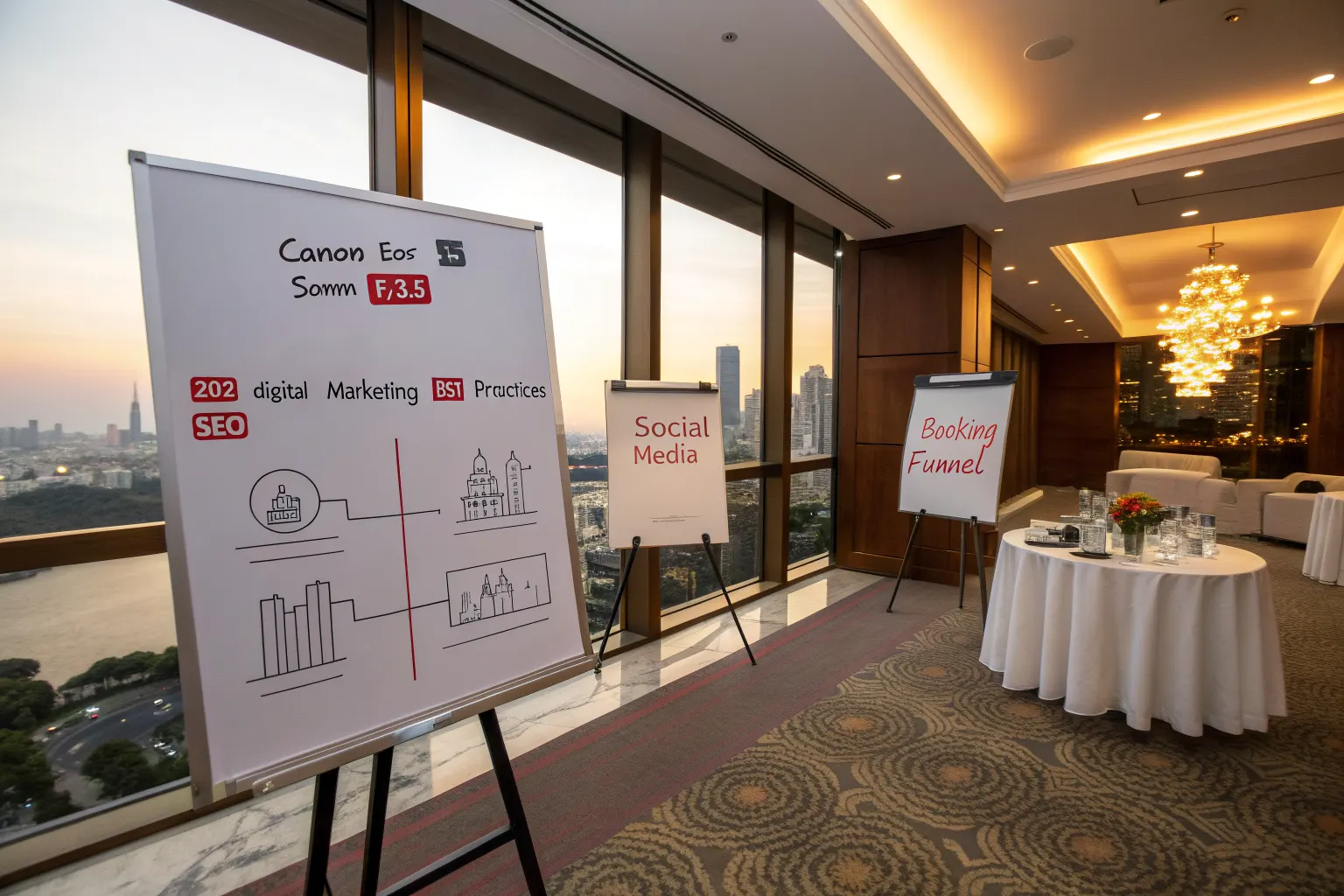
Traditional approaches to hotel marketing are no longer sufficient. The digital landscape has evolved at a pace that demands hotels continuously adapt their strategies or risk being left behind by more agile competitors. The hospitality brands that will thrive in 2024 and beyond are those that embrace new trends, leverage emerging technologies, and commit to data-driven decision-making at every stage of the guest acquisition funnel.
This guide outlines the essential best practices for digital hospitality marketing success — practical, proven approaches that leading hotels are using right now to drive occupancy, grow direct bookings, and build lasting guest loyalty.
Embracing the Power of Personalization
Personalization is no longer a differentiator — it is a baseline expectation among modern travelers. Guests who feel uniquely understood and valued are exponentially more likely to book directly, spend more during their stay, and return in the future.
Data analytics makes sophisticated audience segmentation possible at scale. By analyzing booking history, browsing behavior, stay preferences, and demographic data, hotels can deliver tailored email campaigns, customized website experiences, and precisely targeted social media ads that speak directly to each guest segment's specific desires.
The goal is to make every potential guest feel like your marketing was created exclusively for them — because in the most effective digital strategies, it essentially is. Personalization can dramatically elevate the guest experience well before they ever arrive at your property.
Leveraging Voice Search Optimization
Voice search has permanently changed the way travelers discover hotels. Queries made through Siri, Alexa, and Google Assistant tend to be conversational and specific — "What are the best pet-friendly hotels near downtown Nashville?" — which means your SEO strategy needs to evolve beyond traditional keyword targeting.
Incorporate long-tail, conversational keywords throughout your website content, particularly in FAQ sections and destination guides. Maintaining a fully optimized and accurate Google My Business listing is essential, as voice search frequently surfaces local results from this database.
Creating FAQ content structured to answer the exact questions your potential guests are asking aloud — pricing questions, amenity inquiries, location specifics — positions your property to capture this growing traffic channel and appear in featured snippets that dominate voice search results.
The Rise of Video Content
Video has become the dominant content format across virtually every digital channel, and its power in hospitality marketing is particularly profound. A well-produced property tour, a compilation of genuine guest testimonials, or a behind-the-scenes look at your kitchen and spa can communicate atmosphere and quality in a way that no written description or static photograph can match.
Platforms like YouTube, Instagram, and TikTok offer vibrant communities where engagement and interaction can take your brand's visibility to extraordinary heights. Short-form video content on Reels and TikTok, in particular, has demonstrated an ability to reach entirely new audiences at minimal cost.
Invest in a consistent video production strategy — even smartphone-quality content performed authentically can outperform heavily produced campaigns. The key is regularity, relevance, and a genuine sense of the experience your property delivers.
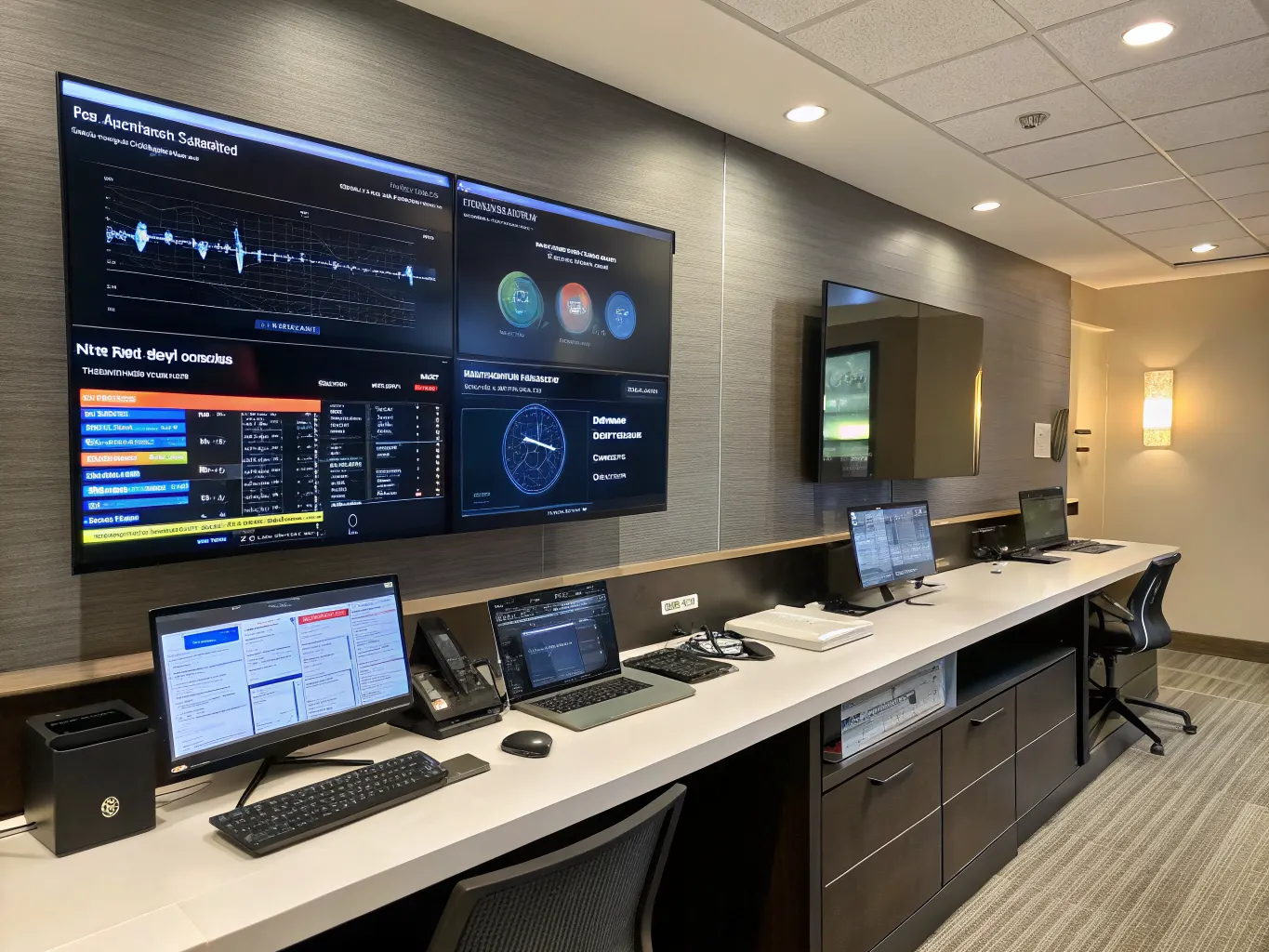
Modern hotel marketing operations centers consolidate analytics, booking data, and campaign performance into a single real-time view — enabling faster, smarter decisions.
Sustainable and Responsible Marketing
An increasing proportion of today's travelers — particularly Millennials and Gen Z — actively seek out properties that align with their environmental values. Hotels that authentically communicate their sustainability commitments through their marketing enjoy a meaningful advantage in these growing market segments.
This isn't simply about adding a "green initiatives" page to your website. Effective sustainable marketing integrates your eco-friendly story into your blog content, social media, and email campaigns. Share concrete actions — solar installations, zero-waste kitchen programs, partnerships with local conservation organizations — and invite guests to participate in your sustainability journey.
Authenticity is paramount. Travelers are sophisticated enough to identify greenwashing, and hollow environmental claims can damage your reputation far more than making no sustainability claims at all. Focus on genuine initiatives and let the real story speak for itself.
Focusing on Mobile Optimization
A seamless mobile experience is not a luxury — it is a necessity. The majority of travel research and a rapidly growing share of direct bookings now happen on smartphones and tablets. A hotel website that performs poorly on mobile is actively losing revenue every single day.
Mobile optimization encompasses far more than responsive design. Page load speeds must be optimized for mobile networks, the booking flow must be friction-free on a small touchscreen, and call-to-action buttons must be appropriately sized and prominently positioned. Every additional step or second of load time in the mobile booking experience represents a measurable increase in abandonment rate.
Regularly test your entire digital experience on multiple devices and screen sizes, and treat mobile performance as an ongoing optimization project rather than a one-time implementation.
Influencer and User-Generated Content Collaboration
Influencer partnerships represent one of the most efficient ways to reach highly engaged, travel-enthusiastic audiences that align with your target guest profile. The key is selectivity — partnering with influencers whose authentic travel style, audience demographics, and content quality genuinely align with your brand values, not simply those with the largest follower counts.
Micro-influencers, those with smaller but highly engaged communities in specific travel niches, often deliver superior ROI compared to mega-influencers whose audiences may be broad but less engaged with hospitality content. Build genuine relationships with these creators and allow them creative latitude to share your property in their authentic voice.
Complement influencer campaigns by actively encouraging user-generated content through branded hashtag programs, in-property photo opportunities, and social contests. The combination of influencer reach and authentic guest content creates a powerful, self-reinforcing marketing ecosystem.
The Importance of Online Reputation Management
Your digital reputation is one of your most valuable assets — and one that requires active, ongoing management. Hotels that proactively monitor and respond to reviews across all major platforms demonstrate a commitment to guest satisfaction that influences the booking decisions of thousands of potential travelers who read those interactions.
Develop a reputation management protocol that includes prompt, professional responses to both positive and negative feedback, regular audits of all review platforms, and internal processes for acting on recurring guest complaints. A well-managed reputation drives bookings, improves OTA rankings, and contributes directly to RevPAR growth.
Utilizing Chatbots for Enhanced Guest Experiences
AI-powered chatbots have matured into genuinely useful tools for hospitality brands, capable of operating around the clock to meet guests' needs without straining front desk or reservations staff. Modern chatbots can answer detailed property questions, recommend room types based on stated preferences, process simple booking requests, and even facilitate upgrade opportunities.
The guest experience improvement that comes from instant, 24/7 response capability is significant — particularly for potential guests in different time zones who may otherwise abandon their inquiry before a human team member is available. Meanwhile, staff are freed to focus on complex service scenarios where the human touch genuinely matters.
As natural language processing continues to improve, chatbots will become an increasingly important touchpoint in the digital guest journey — hotels that implement them thoughtfully today will be better positioned to leverage next-generation AI capabilities as they emerge.
Put These Best Practices to Work for Your Hotel
From personalization and voice search to video content and AI chatbots, our team helps hospitality brands implement strategies that drive measurable results.