Top 10 Digital Hospitality Marketing Trends to Watch
Discover the 10 key trends — from AI personalization and mobile optimization to VR experiences and sustainability messaging — reshaping how hotels attract modern travelers.
Read More
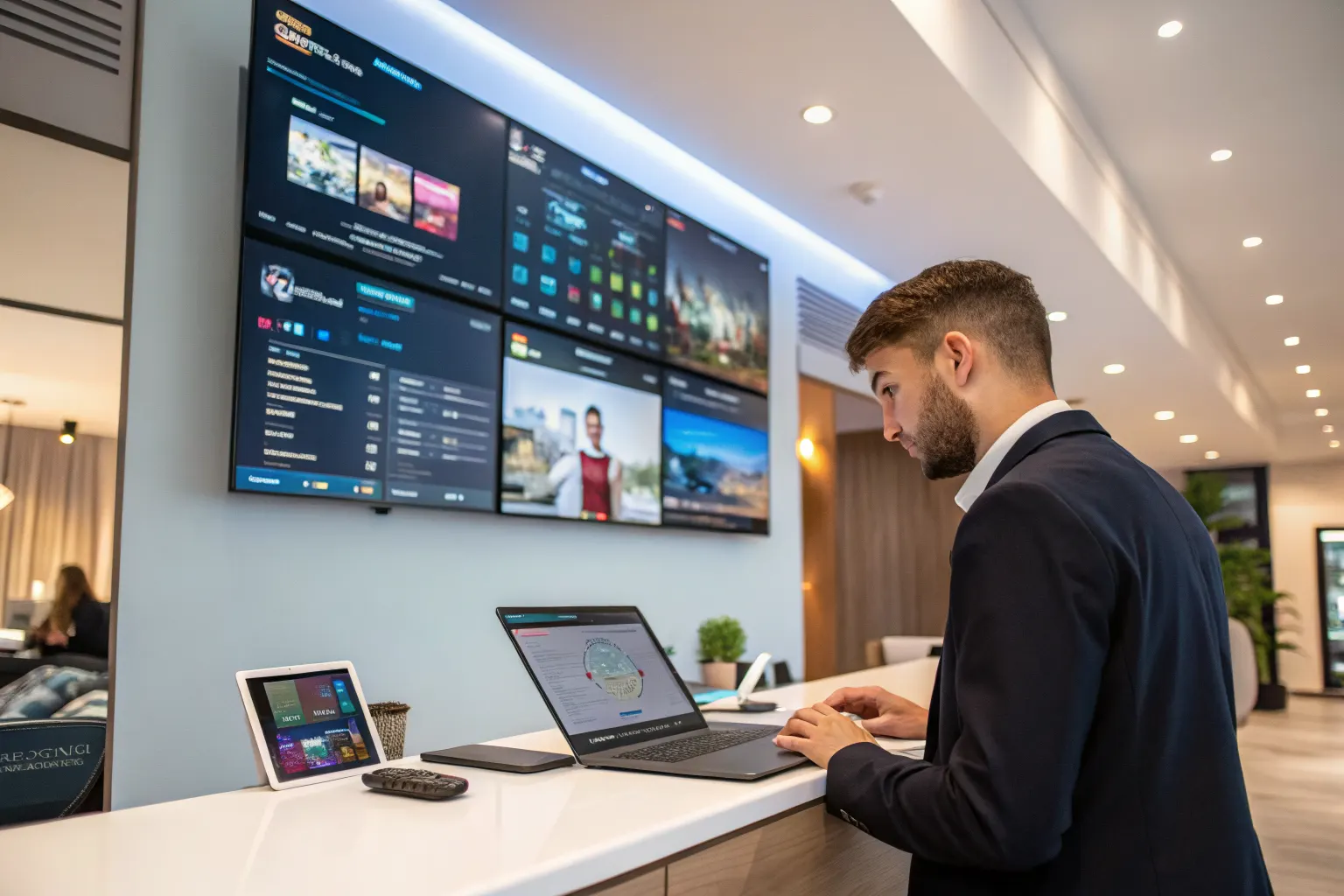
The hospitality industry is evolving faster than ever. As traveler expectations grow more sophisticated and technology reshapes how guests discover, book, and experience hotels, digital marketing strategies must keep pace. From AI-driven personalization to immersive augmented reality, the trends shaping 2025 represent both significant challenges and powerful opportunities for properties that embrace them early.
This comprehensive guide explores the twelve key digital marketing trends that hotels and resorts need to understand and leverage to maintain competitive advantage in 2025 and beyond.
Artificial intelligence is transforming how hotels understand and communicate with their guests. Hotels are now using AI to analyze guest data and deliver customized experiences at scale — from personalized marketing messages and exclusive offers to tailored recommendations based on room preferences, amenities, and dining choices. AI-driven chatbots provide real-time customer responses around the clock, while dynamic pricing models optimize rates based on demand patterns and competitor analysis. The hotels that invest in AI-powered personalization today are building a data asset that compounds in value as it learns more about guest preferences over time.
Mobile interfaces are becoming increasingly sophisticated and guests now expect a booking experience on their smartphone that equals or exceeds what they find on desktop. Real-time availability checks, secure payment options, and mobile-exclusive discounts are table stakes. Integration of mobile wallets and one-click payment solutions streamlines the transaction process and reduces abandonment. Hotels that leverage push notifications for promotional updates and use AI features to suggest optimal booking times based on user history are gaining measurable conversion advantages over properties still offering basic mobile experiences.
As voice-activated devices gain widespread adoption in homes and hotels alike, the way guests search for accommodations is changing. Voice queries tend to use natural language and conversational phrasing — "What are the best boutique hotels near downtown Charleston?" — rather than the keyword fragments typical of typed searches. Hotels must optimize content using natural language patterns and long-tail keywords, create comprehensive FAQ sections that answer common voice queries, and ensure Google Business Profile listings are fully updated with accurate operational details, pricing information, and contact information.
Hotels that collect and act on data from booking patterns, social media interactions, and guest feedback gain decisive advantages in targeting and personalization. Audience segmentation based on behavioral data enables highly targeted marketing campaigns that reach the right traveler with the right message at the right time. Predictive analytics forecast demand trends and identify optimal promotional windows. Real-time analysis supports dynamic pricing adjustments and identifies peak seasons where promotional investment generates maximum return.
Environmental consciousness is no longer a niche concern among travelers — it has become a mainstream booking consideration, particularly among younger demographics. Hotels are incorporating sustainability narratives into their marketing strategies by showcasing green certifications (LEED, Green Key), promoting operational initiatives like composting programs and renewable energy use, and sharing authentic sustainability stories through content marketing. Properties that communicate genuine environmental commitment — rather than vague "green" messaging — build credibility with eco-conscious travelers and earn media coverage that extends marketing reach organically.
Augmented reality is moving from novelty to practical hospitality tool. AR technology now enables immersive virtual property tours before booking — allowing guests to experience rooms, amenities, and public spaces before committing — which reduces pre-booking anxiety and improves conversion rates. In-room interactive concierge services powered by AR provide guests with layered information about services and local attractions. AR city guides that surface nearby points of interest through a smartphone camera enhance the guest experience and position your property as a local authority. Gamification features like property scavenger hunts create memorable engagement.
Influencer marketing continues to evolve in sophistication. While celebrity partnerships generate awareness, the most effective hospitality influencer campaigns now involve micro-influencers — creators with engaged followings in the 10,000–100,000 range who cater to specific travel niches like luxury escapes, solo travel, eco-tourism, or food tourism. These creators produce authentic content showcasing luxury amenities and local experiences that resonates deeply with their highly engaged audiences. Data-driven insights now allow properties to measure campaign success through engagement metrics and conversion rates rather than relying on reach alone.
Video has become the dominant content format across every major platform, and hospitality is a natural fit for the medium. Hotels are producing short-form videos for TikTok and Instagram Reels featuring virtual tours, behind-the-scenes content, chef spotlights, and guest testimonials that capture the emotional essence of a stay. Long-form content on YouTube provides destination guides and in-depth property features. Live streaming creates real-time engagement through virtual tours, Q&A sessions, and event coverage. User-generated video content from guests — when curated and reshared — provides powerful social proof that marketing-produced content cannot replicate.
AI chatbots are handling an expanding range of guest interactions — from routine availability inquiries to complex requests like room customization, dietary accommodations, and itinerary planning. Operating 24/7 across websites, apps, and social media platforms, they deliver consistent personalized recommendations and reduce response times dramatically. The result is improved guest satisfaction scores and reduced pressure on front desk and reservations teams. Hotels that deploy well-designed chatbots report significant reductions in abandoned bookings attributable to unanswered questions during the research and booking process.
Guests now interact with hotel brands across dozens of touchpoints before, during, and after their stay — and they expect a consistent, coherent experience at each one. Hotels that create unified brand presence across digital and physical touchpoints, integrating data from social media, email, website visits, and in-person interactions, build holistic guest profiles that enable truly personalized marketing. Advanced CRM systems track complete guest journeys, enabling communications that recognize the guest's history and preferences. Consistent messaging across every channel builds the trust and loyalty that drives direct bookings.
Blockchain technology is beginning to make meaningful inroads in hospitality, particularly in the areas of payment security, loyalty program management, and supply chain transparency. The decentralized system enables tamper-proof financial transactions with reduced fraud risk, faster payment processing, and seamless cross-border transactions that eliminate the friction international travelers often face. Transparent, blockchain-based loyalty programs allow guests to verify their points balance and redeem rewards with confidence. Forward-thinking hotel groups are exploring blockchain to provide supply chain transparency for sustainable sourcing claims.
Wellness tourism is one of the fastest-growing segments in hospitality, and properties that develop and market comprehensive wellness offerings are capturing significant market share. Comprehensive wellness programs now encompass meditation and mindfulness sessions, yoga classes, specialized fitness regimes, holistic spa treatments, organic and locally-sourced nutritionally balanced menus, and cooking classes. Outdoor activities, partnerships with wellness experts, and curated wellness retreats position hotels as sanctuaries for health-conscious travelers. Marketing wellness offerings requires authentic storytelling and specific, credible claims — not generic spa photography.
Understanding these trends is the starting point — but sustainable competitive advantage comes from implementation. Not every property can pursue all twelve simultaneously. The most effective approach is to audit your current digital marketing capabilities against these trends, identify the two or three that align most closely with your guest profile and growth goals, and invest in those first.
Build your guest data infrastructure before investing in AI or personalization tools. The quality of your data determines the quality of every data-driven marketing initiative.
If you are not already mobile-first in your booking experience and communications, that is the highest-priority investment before pursuing emerging channels.
Pilot new technologies like AR and chatbots at small scale before committing to full deployment. Measure the impact on conversion and guest satisfaction before expanding.
In sustainability and wellness marketing especially, guests are highly attuned to performative claims. Only communicate what you genuinely deliver — credibility builds over time.
The digital marketing landscape for hospitality in 2025 is defined by personalization, technology integration, and the growing importance of authentic brand communication. Properties that understand these trends — and invest strategically in the ones most relevant to their guest base and competitive position — will be best positioned to attract high-value guests, build loyalty, and grow revenue.
The gap between hotels that embrace digital transformation and those that do not is widening every year. The time to invest in these capabilities is now — before the competitive advantage they provide erodes into a standard expectation.
Let's build a forward-thinking digital strategy tailored to your property and goals.