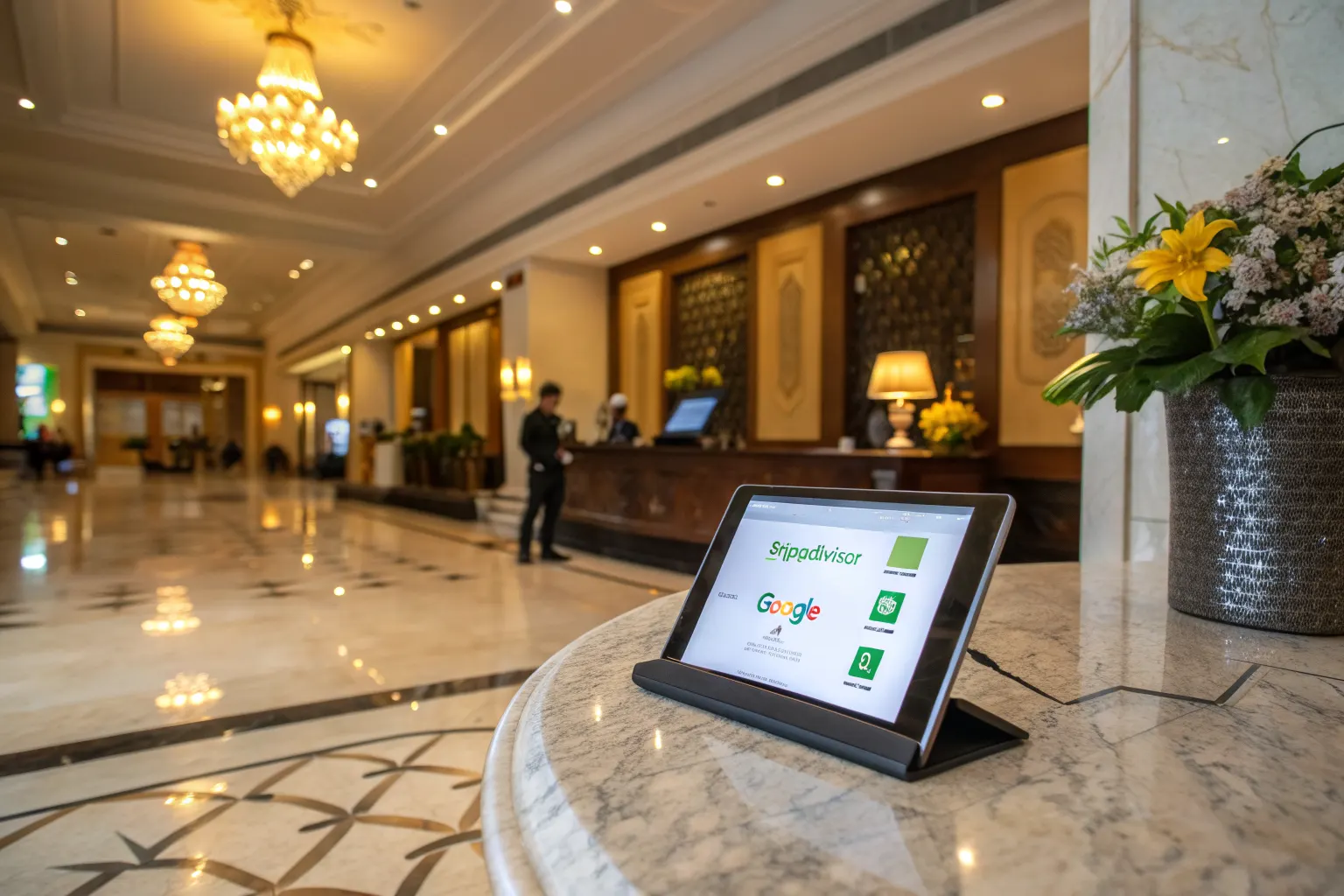
In the digital landscape, a hotel's reputation depends on far more than service quality alone. Every review, comment, and social media mention contributes to how potential guests perceive your property — before they ever walk through the door. Managing this presence strategically leads to increased bookings, deeper guest trust, and a stronger brand that withstands competition.
Why Hotel Reputation Management Matters
A hotel's reputation serves as a critical business asset that directly influences booking decisions. Travelers rely heavily on reviews and ratings when choosing accommodations — a property with strong, well-managed feedback consistently wins over hesitant guests. Effective reputation management involves systematically monitoring and responding to feedback, helping hotels:
- Build trust with prospective guests before they arrive
- Increase direct bookings by establishing credibility
- Improve search engine rankings through consistent positive engagement
- Gain actionable insights for continuous service improvements
By proactively controlling the narrative around your property, you can transform dissatisfied guests into loyal customers and satisfied guests into vocal brand ambassadors who bring new bookings through word-of-mouth.
Key Strategies for Effective Hotel Reputation Management
Monitor Your Online Presence Constantly
Track reviews across platforms like TripAdvisor, Google, and Booking.com using alert tools that capture new mentions promptly. You cannot respond to what you don't see — consistent monitoring is the foundation everything else depends on.
Respond Promptly and Professionally
Thank guests who leave positive feedback and address negative comments with genuine empathy and concrete solutions. Quick, thoughtful responses demonstrate your commitment to guest satisfaction and signal to future guests that your hotel takes service seriously.
Encourage Positive Reviews
Request feedback through follow-up emails after checkout and during in-person interactions. Provide convenient direct links to your review profiles to reduce friction. Satisfied guests often need only a gentle nudge to share their experience.
Use Feedback to Improve Services
Identify recurring concerns across reviews and implement operational changes that guests will notice and appreciate. When guests see their feedback visibly reflected in improvements, it deepens loyalty and generates more positive content about your property.
Showcase Your Strengths
Highlight your property's distinctive features through testimonials, professional photos, and compelling hospitality stories across all marketing materials. Reputation management isn't only reactive — proactively building a positive narrative is equally important.
How Much Does Online Reputation Management Cost?
The investment in reputation management varies significantly depending on your approach. Understanding your options helps you allocate resources effectively:
In-House Management
Self-management includes time investment, monitoring tool subscriptions ($20–$200/month), and staff training. Cost-effective but demanding on your team's bandwidth.
Outsourcing to Professionals
Professional services range from hundreds to thousands per month, providing comprehensive monitoring, strategic responses, and crisis management when it matters most.
DIY Tools & Software
Scalable, affordable platforms offer review aggregation, sentiment analysis, and automated response features — a strong middle ground for many properties.
Regardless of approach, the investment typically yields substantial returns through increased bookings and a stronger brand presence that makes every marketing dollar more effective.
Leveraging Technology for Hotel Reputation Management
The right technology stack turns reputation management from a reactive chore into a proactive competitive advantage:
- Review Aggregators: Consolidate reviews from multiple sites into a single dashboard, giving you a complete picture without constant platform-switching.
- Automated Alerts: Capture new reviews and social mentions instantly so you can respond before a concern escalates.
- Analytics & Reporting: Track sentiment trends over time and measure the effectiveness of your reputation strategy with concrete data.
- Social Media Management: Engage guests and promote positive stories across platforms from a centralized tool, maintaining consistent brand voice.
Building a Culture of Reputation Awareness Within Your Team
Technology and strategy only go so far — your staff is your frontline reputation management tool. Hotels that embed reputation awareness into their culture consistently outperform those that treat it as a back-office function. Build that culture by:
- Training teams on the importance of online feedback and how to handle guest complaints in real time
- Encouraging proactive guest service — addressing concerns before they become negative reviews
- Sharing positive reviews with staff to reinforce behaviors that drive excellent feedback
- Creating feedback loops where front-line teams can surface recurring guest concerns to management
Reputation management requires consistent attention and adaptability. The hotels that win online aren't necessarily the ones with the most five-star reviews — they're the ones that engage most authentically and consistently with their guests. Your hotel's future depends on the image you build now, and that image is built one interaction at a time.
Jim McGinnis
Founder, Digital Hospitality Marketing — helping hotels maximize their brand ROI through expert digital strategies.
Ready to Strengthen Your Hotel's Reputation?
Let's build a reputation management strategy that turns guest feedback into bookings.