Digital Hospitality Marketing Trends to Watch in 2025
From AI-powered personalization and mobile booking enhancements to AR experiences — explore the 12 digital marketing trends reshaping how hotels attract guests.
Read More
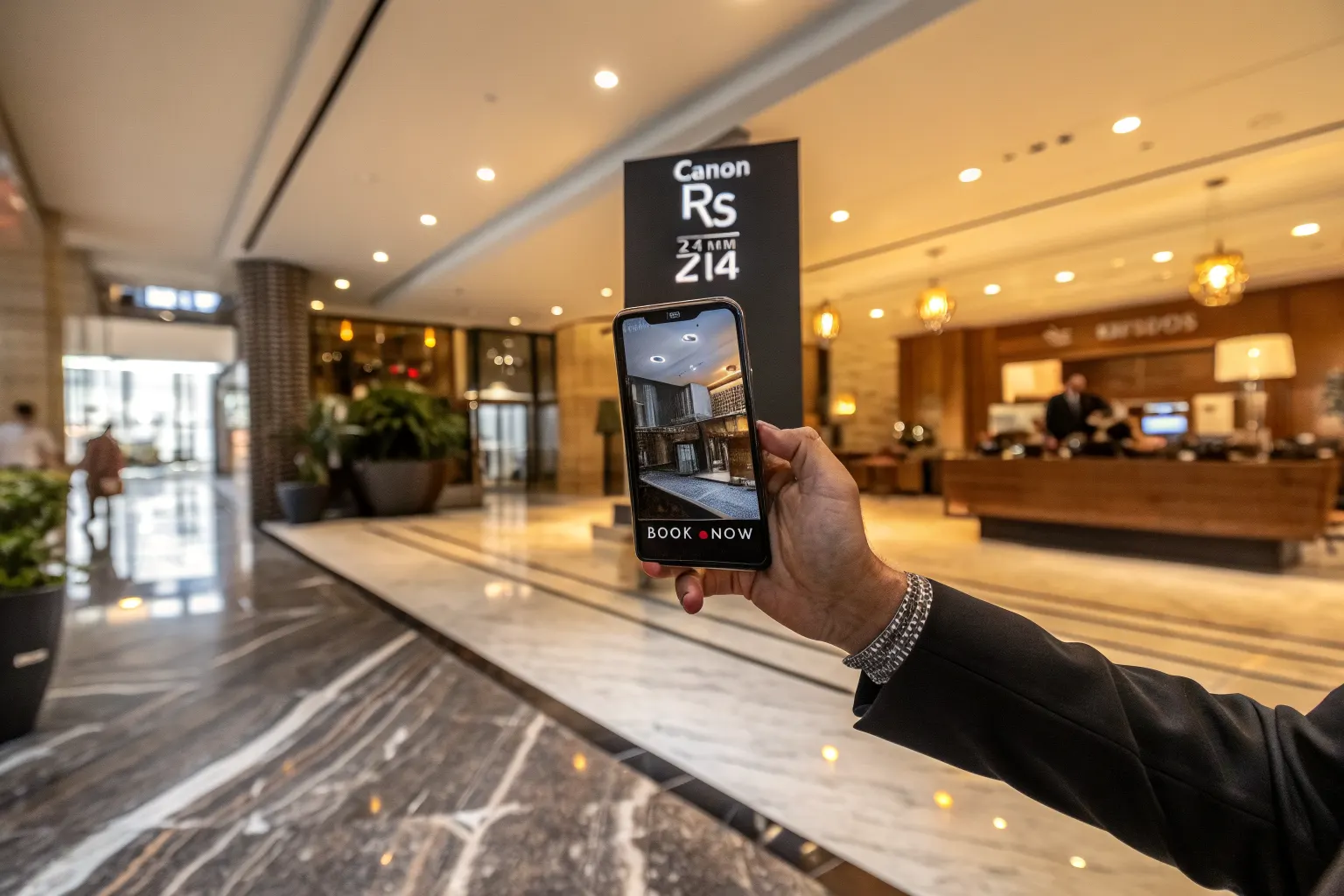
Mobile marketing has become a cornerstone of effective hospitality marketing strategies. Modern travelers rely on their smartphones and tablets for every stage of the journey — researching destinations, comparing properties, making reservations, and sharing experiences. Hotels and resorts that fail to meet guests where they are on mobile are leaving significant revenue on the table. The good news: a focused mobile marketing strategy can dramatically improve your return on investment.
Today's travelers expect convenience, speed, and efficiency at every touchpoint. Mobile-optimized experiences dramatically increase the likelihood of converting browsers into bookers. Beyond bookings, direct engagement channels enabled by mobile allow for personalized communication and real-time promotions that were simply not possible in the era of desktop-only marketing.
More than 60% of travel research and a growing share of bookings happen on mobile devices. Your property must deliver a seamless experience on every screen size.
Mobile-optimized experiences reduce friction in the booking process, directly increasing the percentage of visitors who complete a reservation.
Mobile channels enable personalized communication and time-sensitive promotions — push notifications, SMS, and in-app messages that reach guests in the moment.
Integration with social media platforms on mobile amplifies brand awareness, as guests discover and share hospitality experiences primarily through their phones.
Your website is the centerpiece of your digital presence, and mobile performance determines whether visitors stay or leave. A mobile-friendly hotel website creates "a frictionless journey from discovery to booking" — removing every barrier between a traveler's interest and their reservation. The following elements are non-negotiable:
The site must adapt fluidly to any screen size — smartphone, tablet, or desktop — without horizontal scrolling or broken layouts.
On-the-go users will abandon pages that take more than 3 seconds to load. Optimize images, minimize code, and leverage caching.
Buttons and links need adequate spacing for fingertip interaction. Streamlined menus reduce taps required to reach the booking page.
Make it effortless for mobile visitors to call your property directly — a single tap converts inquiry intent into a confirmed reservation.
High-quality visuals are essential for hospitality, but they must load fast on mobile networks. Use modern formats and compression.
Building to Web Content Accessibility Guidelines ensures your site is usable by all travelers and improves overall search performance.
Mobile users scan rather than read. They need to absorb key information quickly while on the go. Adapting your content strategy to mobile consumption patterns is as important as the technical performance of your site.
Google now uses mobile-first indexing, meaning it evaluates your mobile site — not your desktop version — when determining search rankings. Mobile SEO is not a subset of regular SEO; it is your primary SEO strategy.
Ensure every piece of content, structured data, and metadata that appears on your desktop site is also present and properly formatted on mobile. Google crawls your mobile version first — if content is missing there, it may as well not exist for ranking purposes.
Mobile searches tend to be shorter and more conversational, with a higher proportion of voice searches. Target shorter keyword phrases and natural-language queries like "best hotel near downtown" alongside your traditional keyword strategy.
Mobile users searching for accommodation are often doing so close to the time of need. Fully optimizing your Google Business Profile, building local citations, and encouraging positive guest reviews all directly impact your visibility in local mobile search results.
Implementing schema markup helps search engines understand your content and enables rich snippets — star ratings, pricing, and availability information — that stand out in mobile search results and increase click-through rates.
Social platforms — particularly Instagram and Facebook — are consumed almost exclusively on mobile devices and serve as vital discovery and inspiration channels for travel decisions. A consistent social media presence aligned with your mobile marketing strategy creates powerful reinforcement at every stage of the booking journey.
High-quality images and short-form video of your amenities, rooms, dining, and surroundings capture attention in fast-scrolling mobile feeds.
Instagram Stories and Facebook Live create real-time connection with potential guests, showcasing your property authentically.
Guest photos and reviews shared on social platforms provide genuine social proof that influences booking decisions more than branded content.
Mobile ad formats on Instagram and Facebook allow precise targeting based on demographics, travel interests, and past behavior.
Mobile advertising on Google, Facebook, and Instagram gives hotels the ability to reach travelers at precisely the right moment — when they are actively searching or demonstrating intent to book. The key is precision targeting combined with compelling creative that drives action.
For properties with the resources to invest in a mobile app, the personalization opportunities are substantial. A well-designed hotel app extends your guest relationship beyond the booking confirmation into the entire stay experience.
Mobile check-in and digital room keys reduce friction at arrival and create a premium first impression without front-desk wait times.
Allow guests to customize room preferences before arrival — pillow types, minibar preferences, temperature settings — for a truly tailored experience.
Chat and AI chatbot features provide instant responses to guest questions without phone tag or queue times at the front desk.
In-app loyalty programs with points tracking and exclusive app-only rewards create powerful incentives for direct repeat bookings.
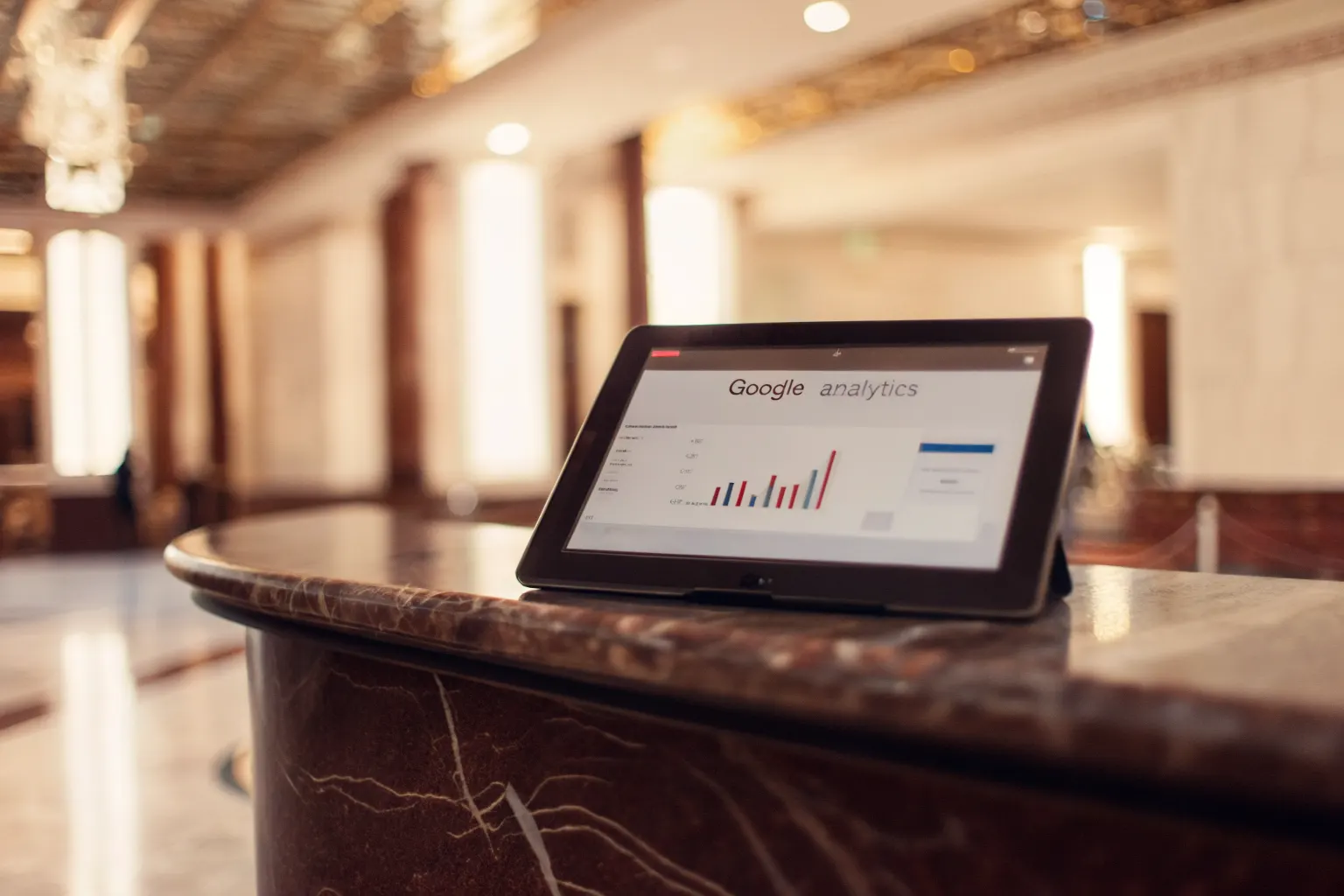
Tracking mobile analytics at property level gives hotel marketers actionable data to optimize campaigns in real time.
What gets measured gets improved. Tracking mobile-specific performance metrics gives you the data needed to optimize your strategy continuously and ensure your marketing investment is generating measurable return. Mobile traffic now accounts for a majority of all hotel website visits — and hotels that actively monitor these metrics consistently identify opportunities to reduce friction and increase booking conversion rates.
Mobile is not just a channel — it is the primary arena where hospitality brands win or lose guests. A comprehensive mobile marketing strategy encompasses a fast, responsive website; mobile-first SEO; targeted social and paid advertising; and personalized app experiences that create loyalty. Properties that invest in these capabilities see measurable improvements in direct booking rates, guest satisfaction, and overall marketing ROI.
The shift to mobile-first travel behavior is permanent. Hotels and resorts that build their marketing around this reality — rather than treating it as an afterthought — will consistently outperform competitors who are still optimizing for desktop-first experiences that no longer match how modern travelers plan and book.
Let's build a mobile-first hospitality marketing strategy tailored to your property.