6 Highly Effective Strategies to Increase Total Resort Revenue
Dynamic AI pricing, direct booking incentives, empty space monetization, TRevPAR, ancillary upsells, and targeted packages for resorts.
Read More

Retreats have become one of the fastest-growing revenue opportunities for resorts and tourist destinations. Guests no longer travel just for a room — they travel for a curated, transformational experience: a yoga and wellness week, a corporate offsite, a culinary immersion, or a creative retreat led by an expert facilitator. Done well, hosting a retreat fills otherwise slow periods with high-value, multi-night bookings and a built-in community of guests eager to return. Done poorly, a retreat can sit half-empty while the resort spends money marketing it the wrong way to the wrong audience. Here is what separates a retreat program that sells out from one that quietly disappoints.
Wellness and experiential travel is no longer a niche corner of the hospitality industry — it is one of its fastest-growing segments. Retreat guests typically book longer stays, spend more per day on packages, food, and add-on services, and arrive already emotionally invested in the experience, which makes them far more likely to leave a glowing review and return the following year.
A standalone page — not a buried PDF — that covers the itinerary, instructors or facilitators, pricing tiers, room types, and a clear booking button. This is where paid ads, email, and social traffic should land, and it should be built to convert, not just inform.
Retreat shoppers search specifically: "yoga retreat Costa Rica," "silent meditation retreat resort," "corporate wellness retreat package." Ranking for these long-tail terms brings in guests who are already close to booking, rather than competing for generic hotel keywords.
Retreat guests are buying an outcome — rest, clarity, connection, growth — not a room count. Copy, video, and imagery should sell the feeling of the experience first, with amenities and logistics supporting that story.
Guest testimonials, instructor credibility, and before/after guest stories reduce the risk a first-time attendee feels about committing days and dollars to an unfamiliar experience. Video testimonials convert especially well for retreats.
Retreats have hard capacity limits, so use early-bird pricing, deposit deadlines, and a visible seats-remaining counter. Because the scarcity is genuine, it builds trust instead of feeling like a manufactured sales gimmick.
Most retreat bookings are considered purchases. A drip sequence covering the itinerary, FAQs, testimonials, and a deadline reminder — paired with retargeting ads — keeps your resort top of mind through a long decision window.
Running your retreat through the same channels and messaging as a weekend getaway buries the specialized audience you actually need to reach. Retreats require their own campaign, funnel, and creative — not a repurposed room-night promotion.
A wellness retreat, a corporate offsite, and a culinary retreat attract completely different travelers with different budgets and triggers. Guessing at the audience instead of researching it wastes ad spend on people who were never going to book.
Retreats sell an experience, and static photos rarely capture it. Skipping video — walkthroughs, instructor introductions, past-retreat highlight reels — leaves potential guests unable to picture themselves there, which is often the deciding factor.
If a guest has to call, email, and wait for a reply just to reserve a spot, most will drop off. Every retreat page needs a visible, mobile-friendly way to see dates, pricing, and availability, and to reserve instantly.
The guest who just left your retreat is your easiest future booking and your best referral source. Failing to follow up with photos, a community group, or an alumni discount for the next session leaves recurring revenue on the table.
Retreats live and die on reviews and word of mouth. Marketing copy that oversells amenities, availability, or instructor access that the resort cannot actually deliver creates refund requests and reputation damage that outlasts any single retreat.
The venue itself is part of the marketing pitch. A dedicated retreat space — a quiet deck, a private dining room, a spa wing that can be blocked off — gives you the imagery and the pitch that generic conference rooms cannot. Tourist destinations with a strong sense of place, whether a beach, a mountain, or a jungle setting, give retreat organizers a story to sell before they ever mention the property by name.
Resorts that succeed with retreats treat the program as its own product line, with its own pricing, its own marketing calendar, and its own point of contact — rather than treating it as a group booking squeezed into normal operations.
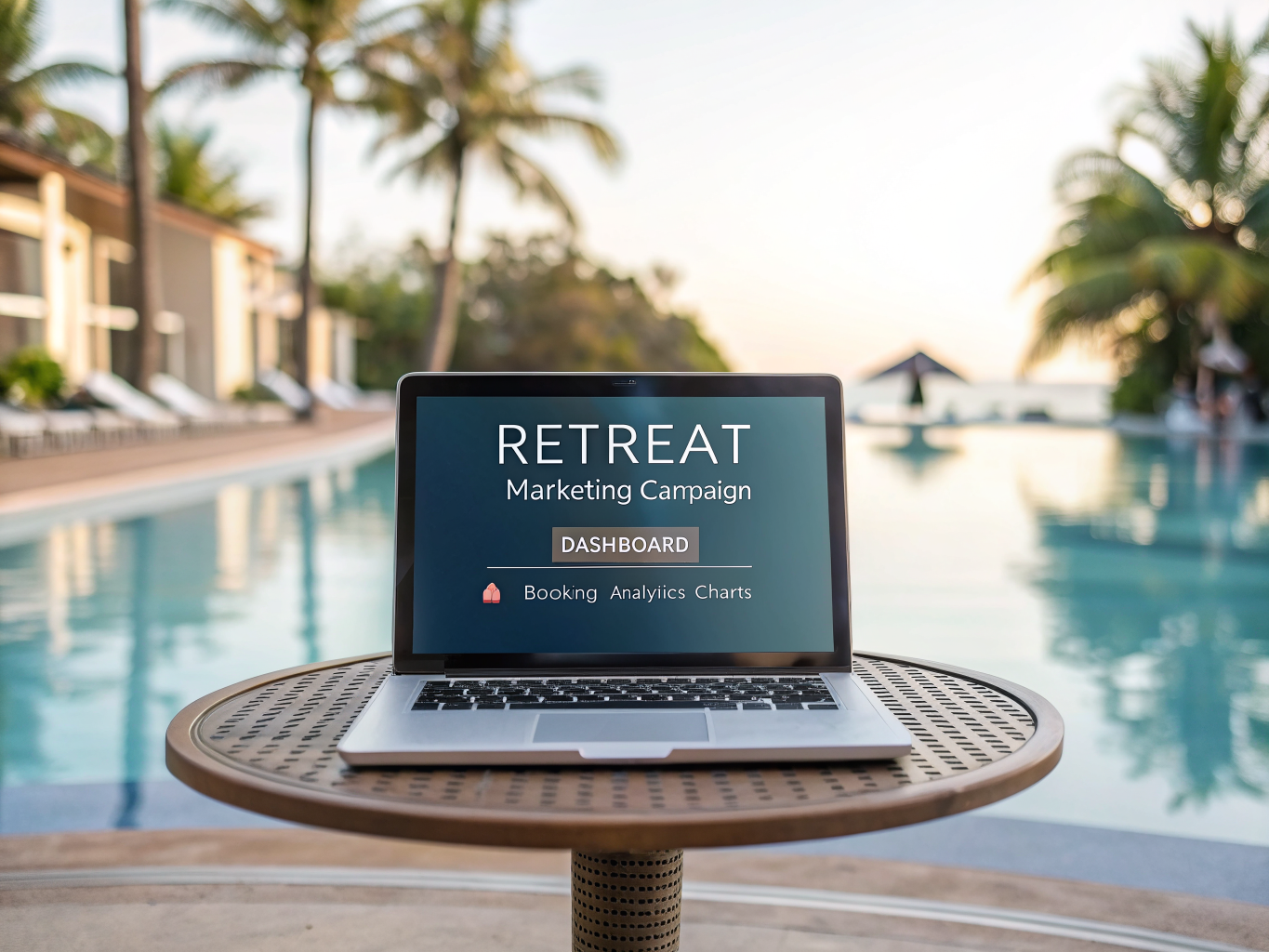
DigitalHospitalityMarketing.com builds retreat marketing campaigns the same way we build every hospitality campaign — around the guest journey, from the first search to the post-retreat referral. Our specialized service brands work together so your retreat program gets a dedicated funnel instead of a generic hotel promotion:
Destination-level SEO, brand storytelling, and reputation management that get your resort found by travelers searching for a retreat destination in the first place.
Wellness and spa-focused campaigns that position spa treatments, healers, and instructors as the centerpiece of a retreat package, not an afterthought.
Farm-to-table dining, chef-led meal plans, and culinary experiences are a major retreat differentiator — our restaurant marketing team helps you sell the food as part of the story.
Retreat-specific content calendars, countdown campaigns, and nurture email sequences that fill seats before your registration deadline.
Well-known wellness brands offer a useful blueprint for resorts building out their own retreat program.
Markets mindfulness and personal growth as the primary product, with the resort itself as the supporting stage — a positioning any property can borrow at a smaller scale.
Leans heavily into the location itself — local culture, ingredients, and landscape — turning the destination into as much of a draw as the retreat program.
Built a loyal, repeat-attendee base through an active alumni community, ongoing content, and returning-guest offers, keeping retreats filled well in advance.
Hosting a retreat is an opportunity to turn your resort or destination into more than a place to stay — it becomes part of a guest's personal story. Get the marketing right — a dedicated funnel, honest scarcity, strong social proof, and a partner who understands the hospitality industry inside and out — and a retreat program can become one of the most profitable, most loyal segments of your business.
Let's build a retreat marketing funnel that fills seats, sells your destination, and turns first-time attendees into loyal regulars.